
Last updated on March 3, 2026
Buying your first investment property feels like crossing a massive finish line. You saved the money, ran the numbers, and finally got the keys.
However, getting the keys is actually the starting line.
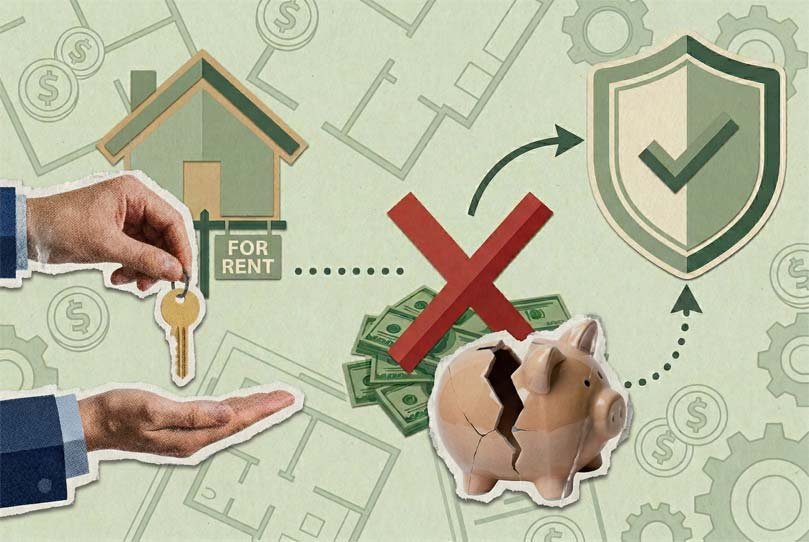
Many first-time landlords step right into a massive financial trap during their very first year. They make a critical error that easily wipes out their entire profit margin.
Today, we are going to look at the notorious $10,000 mistake that plagues new investors. More importantly, we will cover exactly how to protect your asset and keep your cash flow positive.
The Trap of the “Gut Feeling”
The absolute biggest mistake you can make with your first rental property is trusting your gut when picking a tenant.
New landlords often try to handle the leasing process themselves to save a few dollars. They show the property, meet a nice couple, and have a great conversation. The applicants have a good story, seem polite, and have the cash for the deposit ready to go.
So, the landlord skips the background check. They ignore the credit history because they “got a good feeling” about the people.
This is where the nightmare begins. Professional con artists know exactly how to play on the emotions of an inexperienced landlord. They use charm to bypass your screening process.
Once they move in, the rent payments stop. Then, the property damage starts.
Breaking Down the $10,000 Bill
You might think that a bad tenant only costs you one month of rent. Unfortunately, the math is much worse.
Here is how a bad tenant decision quickly spirals into a $10,000 loss:
- Lost Rent: Evictions take time. Depending on your state, it can take anywhere from two to six months to legally remove a non-paying tenant. That is easily $3,000 to $6,000 in lost income.
- Legal Fees: You cannot just change the locks. You have to hire an attorney, pay court filing fees, and sometimes pay the local sheriff to execute the eviction. This usually costs between $1,000 and $2,500.
- Property Damages: Bad tenants rarely leave a house in pristine condition. You might find ruined carpets, holes in the walls, or destroyed appliances.
- Turnover Costs: After they finally leave, you have to pay for deep cleaning, painting, and marketing to find a new tenant.
When you add all these numbers up, you are easily looking at a five-figure bill. This single mistake can put you in debt and make you want to sell the house immediately.
Why You Should Never Self-Manage Your First Unit
The desire to save the 10% property management fee is strong. But self-managing your first rental is usually a terrible idea.
Property managers do much more than just collect checks. They act as a legal shield between you and the tenant.
First, they handle the late-night phone calls. If the water heater bursts at 2 AM on a Sunday, your property manager has a plumber on call. You get to sleep through the night.
Second, they know the local housing laws. Do you know the exact legal timeline for serving a “pay or quit” notice in your county? Do you know the rules regarding emotional support animals versus pets?
If you make a procedural mistake during an eviction, the judge will throw your case out. Then, you have to start the entire expensive process over again. Property managers prevent these expensive legal blunders.
A Bulletproof Tenant Screening Process
If you absolutely insist on managing the property yourself, you need an ironclad system. You must remove all emotion from the decision.
Here is the exact framework you should follow for every single applicant:
1. The Income Verification Rule The tenant must make at least three times the monthly rent in gross income. If the rent is $1,500, their combined monthly income must be $4,500. Demand to see the last two months of pay stubs and call their employer to verify their status.
2. The Credit and Criminal Background Check Never accept a credit report that the tenant prints out and hands to you. These are easily faked. Use an online service where the tenant pays a $40 fee to run a secure background check directly to you. Look for past evictions; an applicant with a prior eviction is an immediate denial.
3. Call the Previous Landlord (Not the Current One) This is a crucial secret. If a tenant is terrible, their current landlord might lie and say they are great just to get them to move out! Always call the landlord before their current one. That person has nothing to lose and will give you the honest truth about how the tenant treated the property.
Understanding CapEx vs. Maintenance
Another area where the $10,000 mistake hides is in property maintenance. Specifically, confusing minor repairs with Capital Expenditures (CapEx).
Maintenance is fixing a leaky faucet or replacing a broken blind. These are cheap, expected costs.
CapEx refers to replacing major systems. This includes buying a new HVAC unit, putting on a new roof, or replacing all the plumbing.
New investors often buy a property and only budget for minor maintenance. Two years later, the roof starts leaking. Suddenly, they have an $8,000 bill they never planned for.
You must inspect the lifespan of every major system before you buy the property. If the HVAC is 15 years old, you need to have the cash ready to replace it on day one.
The Financial Buffer You Actually Need
How much cash should you keep in the bank for your rental?
A good rule of thumb is to hold six months of expenses in a separate account. This includes the mortgage payment, property taxes, insurance, and a buffer for repairs.
If you do not have this cash reserve, you are playing a dangerous game. One bad month could force you to use credit cards to pay the mortgage. This completely defeats the purpose of investing in real estate.
Treating Real Estate Like a Business
Finally, you must treat your rental property like a strict business, not a casual hobby.
Never Rent to Family or Friends This is a golden rule. Mixing money and relationships rarely ends well. If your friend loses their job and cannot pay rent, are you actually going to evict them? If you do, the friendship is over. If you don’t, you lose your investment. It is an impossible situation.
Enforce the Late Fee Create a hard policy for late rent and stick to it. For example, rent is due on the 1st. If it is not paid by the 3rd, there is a $50 late fee.
If a tenant pays on the 5th and you waive the fee because they had a “good excuse,” you have just trained them. They now know your rules do not matter. Charge the late fee every single time.
The Ultimate ROI is Peace of Mind
Buying your first rental property is an incredible way to build long-term wealth. But it requires discipline.
You must rely on data, background checks, and solid math. You cannot rely on hope, gut feelings, or luck.
By utilizing professional property management, strictly screening your tenants, and holding adequate cash reserves, you insulate yourself from disaster. You skip the painful $10,000 learning curve and jump straight to enjoying the monthly cash flow.
Taking the time to set up these systems today will save you endless stress tomorrow.

Be First to Comment